Start with Kodak Gold 200
It's cheap, it's forgiving, and it looks like what people picture when they think of film photography, warm, slightly saturated, gentle in the highlights.
The forgiveness matters more than the look when you're learning. Colour negative film tolerates overexposure remarkably well and handles underexposure badly, and Gold gives you plenty of room on the generous side. A frame a stop or two over will still scan fine.
It's also cheap enough that you'll actually shoot it. The most common beginner mistake is buying expensive film and then treating every frame as precious, which is the opposite of how you learn.
Buy five rolls. Shoot them badly. That's the fastest route to shooting well.
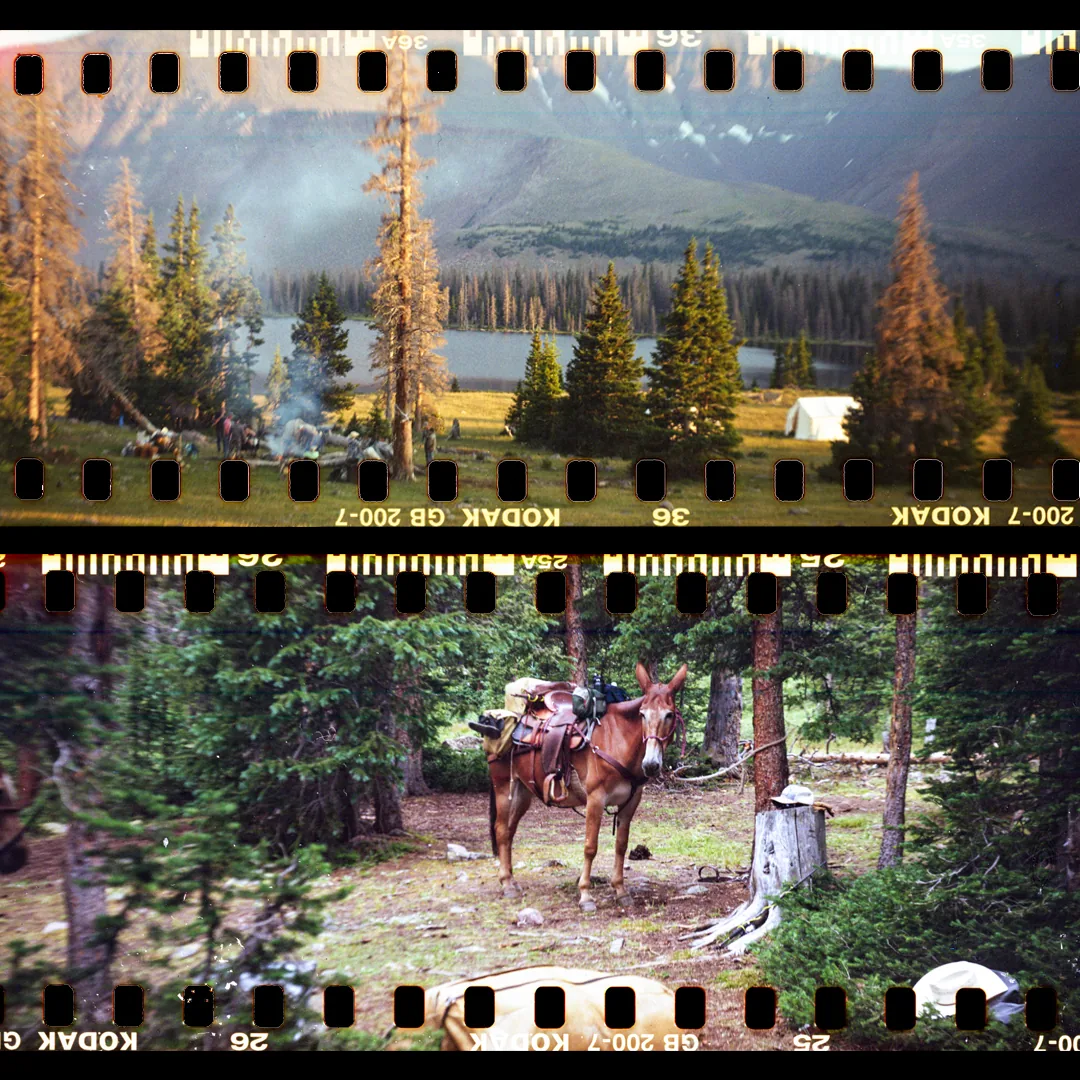
Kodak Portra 400: later, not first
Portra is the film everyone recommends and it deserves the reputation. Fine grain for its speed, exceptional skin tones, and enormous exposure latitude: it will absorb three stops of overexposure and still give you something usable.
The reason not to start here is cost. At two to three times the price of Gold, it changes how you shoot, and not for the better while you're learning.
It's the right choice once you're shooting something that matters, portraits, a trip, work you intend to keep, and once you've stopped wasting frames on things you'll never look at again.
Portra 160 exists and is finer-grained still, but 400 is more useful because you can shoot it indoors and in shade without thinking about it.
Ilford HP5 Plus for black and white
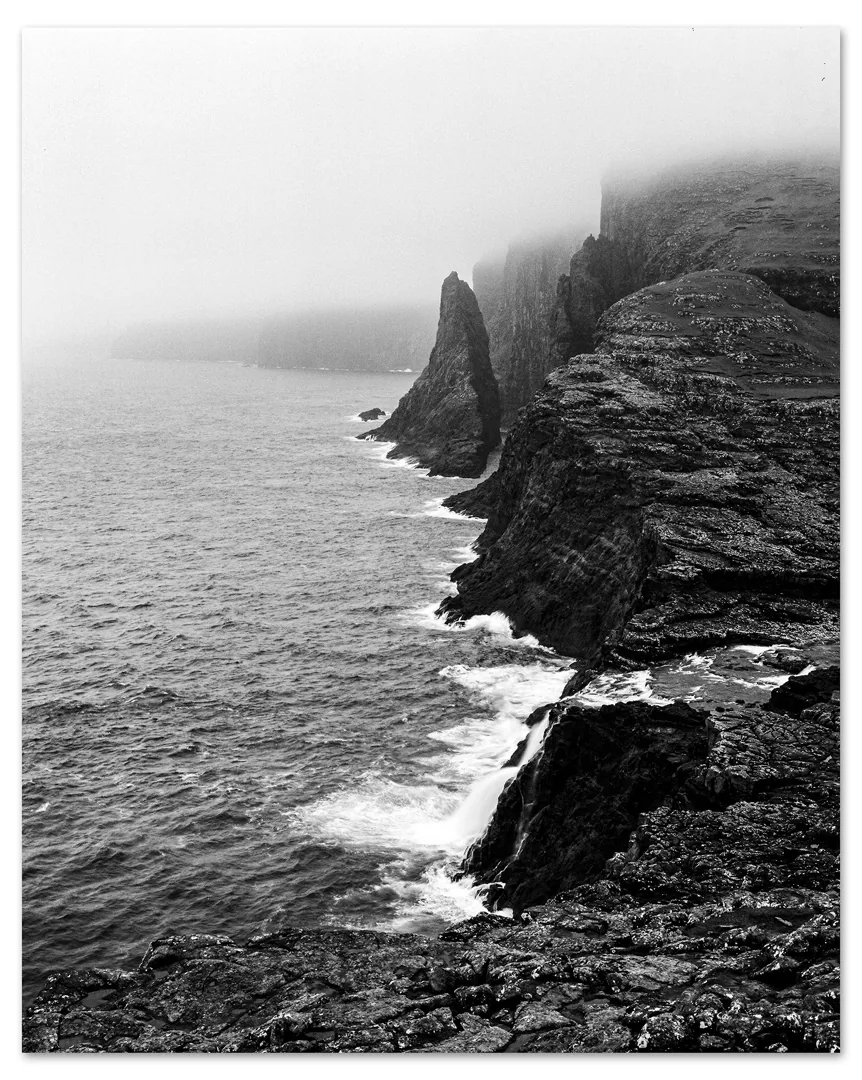
If you want to shoot black and white, HP5 at 400 ISO is the standard answer and it's the right one.
It's genuinely flexible: it can be pushed to 1600 and still look intentional rather than broken, which no colour negative film manages. That makes it the film for low light, concerts, and anywhere you can't control the exposure.
The grain is present and part of the point. If you want black and white without visible grain, that's Ilford Delta 100 or FP4, and it's a different look with much less margin for error.
Black and white is also the cheapest film to develop yourself, which matters if you're shooting enough to feel the lab costs.
What to avoid at the start
Slide film. Velvia and Provia are extraordinary and have roughly half a stop of latitude: get the exposure wrong and the frame is gone. It's the least forgiving film made, and it's expensive to develop.
Expired film, unless it's cheap and you're curious. Colour shifts and lost sensitivity are interesting once you know what a correct exposure looks like, and just confusing before that.
Cinema film respooled from motion picture stock. It looks superb and requires either a lab that handles the remjet layer or a willingness to deal with it yourself. Great fourth or fifth film, poor first one.
Anything you're buying because a photograph you admired was shot on it. The film contributed less than the light did.
The thing that matters more than the film
Exposure. Colour negative film has enormous latitude on the overexposure side and very little underneath, which gives you a simple rule: when uncertain, give it more light.
Meter for the shadows rather than the highlights. Many photographers shoot 400 speed film rated at 200 for exactly this reason, a deliberate stop of overexposure that produces denser negatives and cleaner scans.
Your lab matters more than your film stock. The same roll scanned by two labs can look like two different films, because scanning involves interpretive choices about colour and contrast that nobody tells you about.
If your photographs don't look how you expected, the scan is a more likely explanation than the film.
A reasonable first order
Five rolls of Kodak Gold 200 and two of Ilford HP5. That's enough to learn what a correctly exposed negative looks like in both colour and black and white, at a cost that won't make you precious about it.
Shoot the Gold in daylight and the HP5 anywhere darker. Take notes on the frames you care about, light, aperture, roughly what you were trying to do, because you won't remember by the time the scans arrive.
Add Portra once you've stopped losing frames to exposure. That's usually somewhere around the tenth roll.
And shoot more than you think you should. Film teaches by feedback, and feedback requires frames.

Common questions
What's the cheapest 35mm film that's actually good?
Kodak Gold 200 in colour and Ilford HP5 Plus in black and white. Both are widely available, forgiving, and cost a fraction of the premium stocks.
Is Portra 400 worth the money?
Yes, but not as a first film. Its exposure latitude and skin tones are genuinely exceptional; the price just changes how freely you shoot while you're still learning.
Should I overexpose colour negative film?
Slightly, yes. Colour negative handles overexposure far better than underexposure, so rating a 400 speed film at 200 is a common and sensible habit: it produces denser negatives and cleaner scans.
What ISO should I start with?
400. It's usable in daylight and still workable in shade and indoors, which is a wider range than 100 speed film gives you while you're learning.
Does the film stock matter as much as people say?
Less than exposure, and less than who scans it. The same roll from two different labs can look like two different films, because scanning involves interpretive colour and contrast decisions.